
Learn to recognize the signs and symptoms your body uses to communicate to you that you aren’t eating enough.
Stress, busy schedules, illnesses, grief, and the hustle and bustle of everyday life can take a toll on us. More specifically, our appetites and the way our bodies regulate hunger. This can often lead to us not eating enough. Additionally, many people in the pursuit of weight loss often end up unintentionally undereating or restricting to achieve that goal.
Whatever the cause, not eating enough food and depriving your body of important nutrients can manifest in ways that wreak havoc on your metabolism and hormones. Both of which may take longer to notice if you’ve been consistently undereating.
8 Symptoms You May Experience if You’re Not Eating Enough
Let’s dive in and take a look at the not-so-subtle signs that your body may not be getting enough vital protein, carbohydrates, and fat, and what you can do to increase your food intake with a balanced diet.
1. Low Energy
If you’ve been feeling straight-up exhausted for several weeks, regardless of how much you snooze or the quality of your sleep, it might be time to re-evaluate your diet. When we’re perpetually undereating, the body isn’t able to fuel itself properly. That may cause you to feel lethargic and sluggish.
We often see this in the case of low-carbohydrate diets specifically. Seeing as though starchy carbohydrates are the body’s primary source of fast energy, it makes sense that restricting them can lead to less-than-ideal energy levels.
Take a look at your usual intake regarding both volumes as well as variety. Are you consuming balanced meals that incorporate all of the Foundational Five components? Including starchy carbohydrates? Are you eating when you’re hungry and listening to your body’s cues? Take a moment to reflect here and see if you can make some adjustments.
2. Dizziness
Dizziness can be one of the first physical signs of not eating enough. When you’re not eating enough food, your blood sugar levels can plummet and make you feel dizzy or faint. If you’re continually feeling lightheaded and can’t quite figure out why, take a look at your food intake.
For a quick snack boost, eat something with carbohydrates and protein, like a banana with some almond butter, a handful of berries and nuts, or veggie sticks with some hummus. This combination of carbohydrates and protein will help increase and stabilize your blood sugar levels to help boost your energy.
However, if the dizziness persists after making these changes to your nutrition and your lifestyle, chat with your doctor to rule out possible issues.
3. Poor Cognition and Productivity (i.e., Brain Fog)
Ever have moments of forgetfulness where you say things like, “Where did I put my keys?”? That happens to us all, but frequent brain fog could be your body’s way of telling you to check in with how you’re nourishing yourself (i.e., eat more food)! Brain fog can be a sign of several health challenges, but it’s also one of the key symptoms of not eating enough throughout the day.
Postponing lunches or interrupting your normal meal times to attend meetings or take calls delays the energy your body needs to keep going. So if that 3 p.m. lull hits hard and you realize you haven’t had lunch, that’s your cue to head to the kitchen or grab a snack.
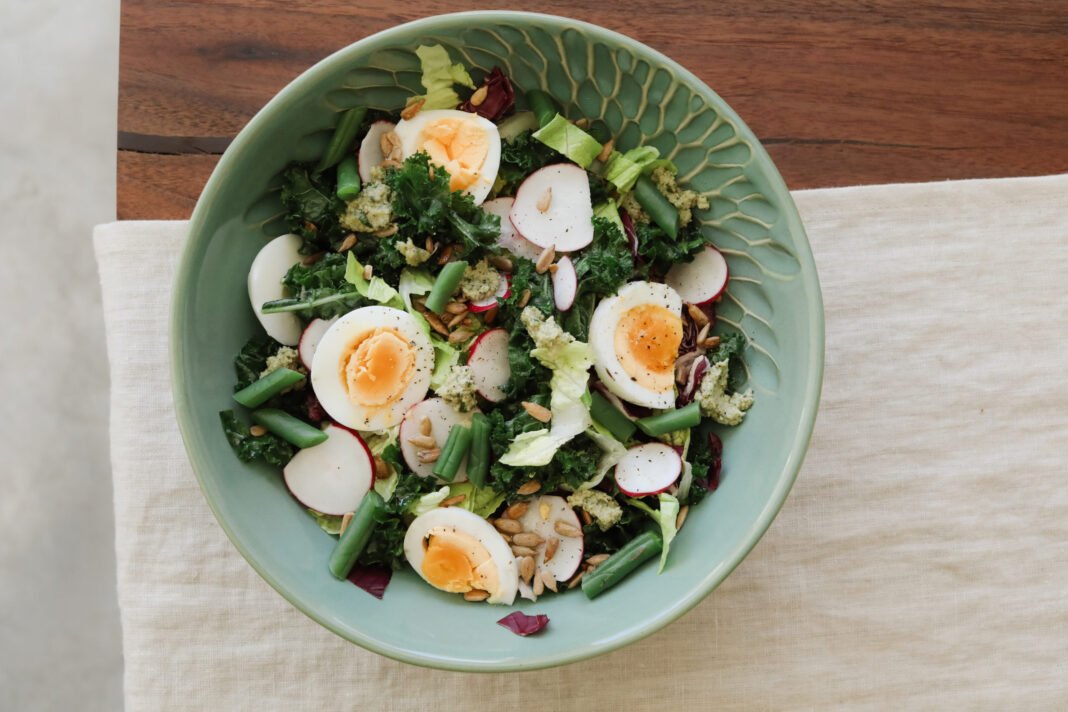
It’s best to fill up on whole foods as best as you can. Go for a hearty salad with plenty of fresh veggies, maybe some sweet potatoes, avocado, grilled chicken, or protein of your choice, and a tasty dressing. Foods rich in B-vitamins, omega-3 fatty acids, folate, and antioxidants can help boost brain function and prevent cognitive decline (1). Bye-bye brain fog.
4. Hair Loss and Brittle Nails
This may come as a surprise to you, but if you’re not eating enough food or getting enough nutrients, the highest priority organs will take the lead in getting those nutrients. This includes your brain, heart, and lungs, rather than your hair, skin, and nails. Hair, skin, and nail health are closely tied to what you eat, along with how many vitamins and minerals your body is absorbing.
It’s normal to lose between 50 and 100 strands of hair every day. If you’re losing more locks than usual and your nails seem to break more easily, you may want to focus on nourishing your hair and nails from the inside out.
Start by eating foods that help produce more keratin, the protein that strengthens your hair and nails. Spinach, beans, oatmeal, salmon, eggs, and berries are all excellent sources of hair- and nail-loving nutrients. Protein, biotin, iron, vitamin B12, and omega-3 fatty acids, in particular, are the best nutrients for helping you maintain the thickness, luster, and growth of your crop.
5. Irritable Mood
Hanger is a real emotion! If you’re battling a busy day and rush out the door without breakfast, your blood sugar and your mood can take a real dip. Studies show that low glucose levels can actually cause aggression and violent behavior (2). So when you haven’t had anything to eat, irritability may be one of the first noticeable side effects of not eating enough food.
The best way to prevent “hanger” is to eat regular meals and nourishing snacks. Enjoying consistent meal times will help keep your blood sugar stable, so you can stay on track with your positive mood and good energy. When you feel that first sign of hunger coming, don’t push it off! Listen to it and grab either a meal or a snack, depending on the degree of hunger you’re experiencing to keep you feeling like your best self versus the moody, irritable version.
6. Feeling Chilly
Got the chills, all the time? You need to consume a substantial amount of food to keep your body warm while performing other bodily functions.
If you’re not eating enough, you’re probably not able to efficiently carry out thermogenesis, which is a process that helps your body generate heat. Some research suggests that people who follow a restrictive diet have lower body temperatures than those who don’t (3).
Women who are also underweight or have low body fat might develop “downy” hair (also known as lanugo), as a way for their bodies to cope with heat loss. When your body doesn’t have enough body fat to heat itself up, it can grow lanugo to help trap heat. It’s common in people with anorexia nervosa or people who are extremely thin.
7. Constant Thirst
Making sure you eat enough is actually one way you can manage your hydration levels. Many of the electrolytes you get from food affect thirst. These include sodium, potassium, and magnesium. If you still feel thirsty after chugging down a glass of water, it’s a red flag that you may not be consuming enough calories.
Sometimes, your body can also mistake thirst for hunger and misguide you away from the water bottle. Just remember to aim for hydrating beverages such as caffeine-free teas, carbonated unsweetened seltzers, and good ‘ole water.
8. Amenorrhea
Amenorrhea is the scientific term for missing your period. Women may miss their periods for a variety of reasons, including pregnancy, changes in diet, and stress. Sometimes, certain medications you take, including contraception, can affect your cycle, too. Specific health conditions like hypothyroidism and polycystic ovarian syndrome can also affect your hormone levels and, therefore, your period as well.
Amenorrhea can also happen if you don’t eat enough and have low body fat or are underweight (about 10 percent under “normal” weight), which is different for each of us. Being underweight can stop ovulation and cause abnormal changes in your hormones, which is why some women with disordered eating habits or women who are high-performing athletes may often miss their periods. In some cases, their bodies also aren’t getting enough nutrients to carry out normal bodily functions.
The female athlete triad is basically an interrelated cycle that includes low energy intake, amenorrhea, and low bone density. This is most often seen in athletes who are trying to maintain a certain level of “leanness” for a particular sport like figure skating, ballet, gymnastics, or others.
The Takeaway
The biggest takeaway from this article is to be aware and in tune with yourself and your body’s ability to show you signs that something may not feel right. Use these 8 signs and symptoms to check in with yourself and determine whether or not you may need to consume a bit more energy.
Find Freedom & Balanced Nourishment.
Embrace a Balanced & Peaceful Relationship with Food.
If you’re looking to develop a healthier relationship with food and transform your eating habits, consider joining our online group coaching program, the Mindful Nutrition Method. Our program is designed to help you cultivate a mindful approach to eating and develop a healthier relationship with food and your body.
Get the 3-part system that will help you discover your balance, enjoy food fully, and nourish your relationship with food to feel confident, balanced, and at peace. You’ll learn the skills and strategies you need to make lasting changes to your health and well-being. Don’t wait to start your journey towards a healthier, happier you.
Join the Mindful Nutrition Method today and discover the transformative power of mindful eating.
Join Now
originally published 8/11/23