
I didn’t realize I was self-medicating my bipolar disorder until my treatment changed, and the urge finally vanished.
Editor’s Note: While alcohol may seem to offer short-term relief for anxiety, it often leads to a “rebound” effect, where anxiety symptoms return more intensely once the substance leaves your system.
______________
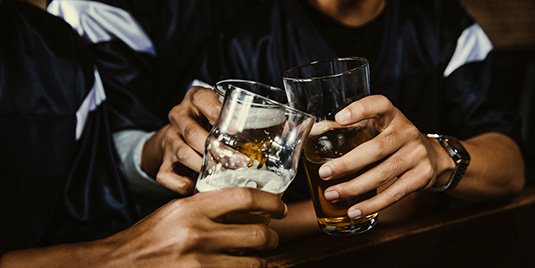
I used to pour myself a glass of wine at the end of each day to unwind. That evening routine lasted for around 25 years.
Throughout all that time, I had no clue I was using alcohol to quiet my racing thoughts and the knot of anxiety in my stomach. I just knew it made me feel calmer. Self-medicating? It never crossed my mind.
It’s likely I was unaware of this because I was already getting treated for my bipolar disorder. Why would I think wine was acting as some extra “medicine”? Anxiety has always been a huge part of my life with bipolar, and medication only helped so much. It would build up all day long. I’d try meditating, reading, or watching the Cooking Channel to relax — but it always crept back.
So, I’d sip until I felt relaxed, then keep going just to hold onto that calm.
Understanding the Link Between Alcohol and Bipolar
My family and friends expressed concern about my drinking. I couldn’t explain it to them at the time, but deep down, I knew I wasn’t addicted. After all, I wasn’t using alcohol to get drunk or drown my sorrows, but rather to silence that overwhelming sense of dread in the pit of my stomach.
Still, looking back, I was relying on alcohol in a way that wasn’t healthy — drinking alone every single night for years, not just occasionally or just at parties.
RELATED: Bipolar and Booze: A One-Sided Relationship
And then, one day, more than a decade ago, I just stopped drinking.
Remarkably, it wasn’t even on purpose. It just so happened that my doctor had changed my medication, and suddenly my anxiety dropped by about 80 percent. That overwhelming dread was gone — and with it, any urge to drink.
How Alcohol Affects the Brain and Bipolar Symptoms
At first, alcohol can make you feel more relaxed because it slows things down in the brain. But once it starts to wear off, your brain can rebound in the other direction. That’s when you might feel anxious, edgy, irritable, or unusually wired. Many people know this feeling as “hangxiety,” and it can be especially tough if you’re already vulnerable to mood changes.
According to warnings on my medication labels, I was not supposed to consume any alcohol. I understand why: Drinking can make your bipolar treatments less effective, and those meds can make alcohol hit you harder. Worst of all, it wrecks your sleep, which we all know is make-or-break for keeping bipolar moods steady.
Back when I drank, I’d go to bed late and have a restless sleep. I’d wake up tired, greeted by racing thoughts every morning. There was no relief until I got home to have that drink at the end of the day. And then the cycle would start all over again.
Ever since, I have slept through the night and wake up rested — and without the racing thoughts I had all my life. I now have calm time in the morning to help me get centered. I plan my day. I am in control.
Connecting Self-Medicating and Anxiety Management
Looking back, it would have been helpful for me to understand why I was drinking every day. If I’d realized sooner that I was self-medicating anxiety with alcohol, I might’ve told my doctor earlier and gotten better medications faster.
But I kept my drinking from my doctor. When I filled out questionnaires that asked about it, I always reported drinking less than I was. It was another stigma I didn’t want to face.
RELATED: Understanding the Connection Between Bipolar Disorder and Anxiety
Many of us self-medicate with alcohol, but we don’t want to talk about it. We also know that if we discuss it with our doctors, we will be told to stop. Yet, stopping is only part of the solution. The real win is tackling what’s driving the urge, like untreated anxiety.
Opening an Honest Dialogue With Your Doctor
If you find yourself reaching for a drink to quiet your mind, know that you are not alone — and it’s okay to tell your doctor. They’re there to help you manage symptoms, not to pass judgment.
Being honest about anxiety-driven drinking allows your doctor to adjust your treatment plan and find more effective, long-term ways to help you feel calm.
I am not an advocate for drinking, nor will I preach to others that they should quit. But my experience underscores the importance of identifying and properly treating the root cause of self-medicating, no matter the vice. I wish I’d put the pieces together sooner.
These days, I might have a glass of Oregon Pinot Noir to accompany a meal sometimes. Before I do, however, I pause to check in with myself. If my desire for the wine is to soothe my mood, I don’t pour the drink.
Editorial Sources and Fact Checking
- Dharavath RN et al. GABAergic Signaling in Alcohol Use Disorder and Withdrawal: Pathological Involvement and Therapeutic Potential. Frontiers in Neural Circuits. October 20, 2023.
UPDATED: Printed as “Soothing My Mood,” Summer 2022