
Anaphylaxis can be scary and it can happen quickly. Knowing what to look for (and what to do next) can save a life.
A newly updated clinical definition and decision-making tool from the Journal of Allergy and Clinical Immunology is helping providers better recognize and treat anaphylaxis. But the most important takeaway is something everyone should know: how to recognize the signs early and act fast.
What Is Anaphylaxis?
Anaphylaxis is a serious allergic reaction that can progress rapidly and may become life-threatening.
It can affect multiple parts of the body, including:
- Skin: hives, flushing, swelling of lips or tongue
- Breathing: coughing, wheezing, trouble breathing
- Heart and circulation: dizziness, fainting, low blood pressure
- Digestive system: severe stomach pain, vomiting
Not every reaction looks the same and not all symptoms appear at once.
When Is It an Emergency?
Anaphylaxis is considered life-threatening when it affects:
- Breathing (respiratory system)
- Heart or blood pressure (cardiovascular system)
Important:
A severe reaction can happen even without a rash or visible skin symptoms.
Common Signs to Watch For
- Trouble breathing or shortness of breath
- Swelling of the throat, lips, or tongue
- Persistent coughing or wheezing
- Feeling faint or passing out
- Severe stomach pain or repeated vomiting
If multiple systems are involved, especially breathing or circulation, it may be anaphylaxis.
A New Tool to Help Recognize Anaphylaxis
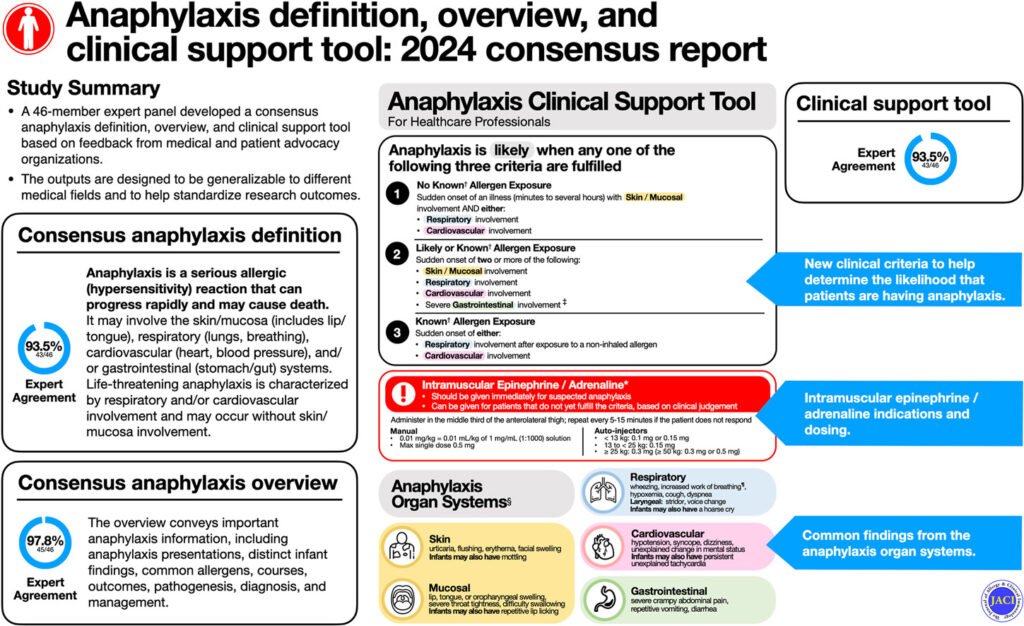
Providers now have a clearer, standardized tool to help identify and treat anaphylaxis quickly.
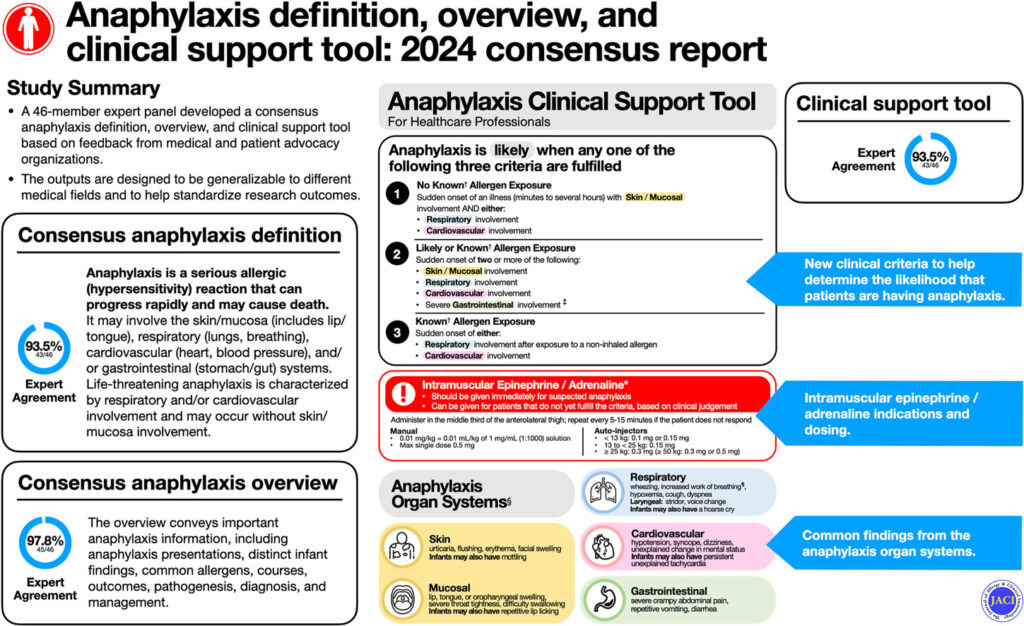
view image from the source
The tool walks through:
- Whether there was a known allergen exposure
- Which body systems are involved
- When to treat immediately
The biggest takeaway?
When in doubt, treat early.
What to Do If You Suspect Anaphylaxis
Epinephrine is the first-line treatment for anaphylaxis, and it should be given right away if symptoms are suspected.
You don’t need to be 100% certain. Acting quickly can prevent symptoms from becoming life-threatening.
After giving epinephrine:
- Call emergency services
- Seek immediate medical care
What About Prevention?
Avoiding known allergens is important, but accidental exposure can still happen.
That’s why many patients explore treatment options that address the underlying allergy.
Allergy drop immunotherapy following The La Crosse Method™ Protocol is designed to help the body build tolerance to specific allergens over time.
After testing and evaluation, treatment is customized for each patient. With successful treatment, many people experience reduced reactions and added protection against severe responses.
Take the Next Step
If you or your child are at risk for severe allergic reactions, understanding the signs and having a plan is essential.
Talk to a provider about testing, treatment options, and how to be prepared. Find a provider near you that offers treatment to see if it’s right for you. Or, if you’re a provider interested in offering allergy drops to your patients, reach out to Allergychoices.