
Post Views: 826,058
Views
Bipolar anger can take a toll on your relationships and well-being, but with the right tools and support, you can safely manage this symptom and reduce its hold over you.
Key Takeaways
- Bipolar anger is a mood-related symptom of bipolar disorder, not a character flaw.
- Noticing early body signals, like a racing heart or flushed skin, can help you slow down before anger explodes.
- Getting regular sleep and taking medication as prescribed are two key ways to reduce mood-related irritability.
- If anger leads to thoughts of harming yourself or others, contact a healthcare professional or crisis lifeline right away.
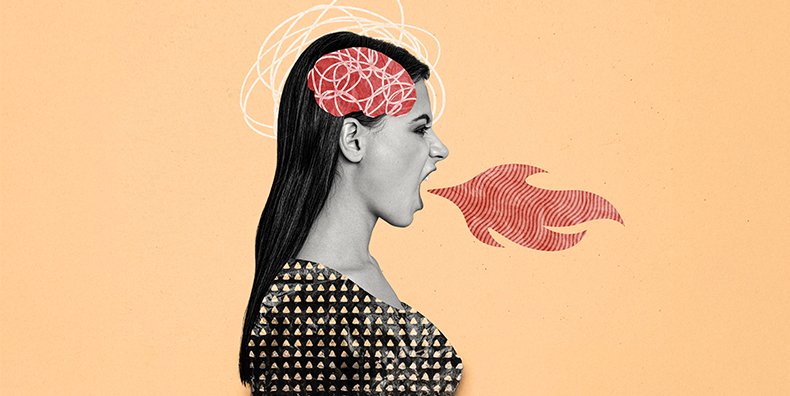
Bipolar anger is a common but often misunderstood symptom of bipolar disorder. Intense irritability, agitation, or rage can occur during manic, hypomanic, depressive, or mixed episodes due to sleep disruption, stress, and emotional regulation. Understanding why anger and bipolar disorder are connected and learning how to manage triggers early can help reduce outbursts, protect relationships, and support mood stability.
What Is Bipolar Anger?
Bipolar anger is a mood-driven symptom of the condition, not a personality trait or a sign of weakness. Clinically, irritability is a recognized feature of bipolar mania and mixed episodes, and it often underlies anger and rage.
Everyone feels frustrated sometimes, but it’s important to tell the difference between everyday anger and anger that arises from a bipolar mood episode. Seeing it as a symptom, not a character flaw, is an important first step. This can help you respond sooner and feel less shame.
Everyday anger usually matches the situation and fades once things are resolved. In contrast, anger linked to bipolar disorder can come on suddenly, feel much stronger, and be harder to calm down. You might notice intense irritability or tension during manic, hypomanic, depressive, or mixed episodes.
Understanding the different ways these feelings can show up can make them easier to manage:
- Irritability You may feel on edge, easily frustrated, annoyed by small things, or physically restless.
- Anger The feeling is stronger and may bring the urge to argue, defend yourself, or fix a problem right away.
- Rage At this most intense level of bipolar-related anger, you may feel out of control, impulsive, or completely overwhelmed. If you get to this point, it’s important to step back and use a safety or slow-down plan.
- Aggression Unlike irritability, anger, or rage, aggression is a behavior rather than a feeling. It can look like yelling, making threats, or throwing things. Not everyone with bipolar-related anger becomes aggressive.
Bipolar anger isn’t always loud or easy for others to notice. Many people feel it inside instead. This might show up as constant overthinking, deep resentment, harsh self-criticism, or pulling away from others. Even if no one else notices, this kind of anger can be very upsetting and harm your well-being.
Some people have sudden bursts of anger that feel very different from how they usually are. These episodes can also cause physical symptoms, such as:
- A racing heart rate
- Excessive sweating or flushing
- A frightening sense of being out of control
The main point is that bipolar anger is real, common, and treatable. Calling it what it is doesn’t excuse harmful actions, but it does make it easier to prevent problems, build skills, and get professional help. Noticing these changes early can help you:
- Improve relationships with loved ones
- Catch a mood episode in its early stages to reduce the risk of escalation
- Improve your overall quality of life by reducing post-episode regret
Why Bipolar Anger Happens
Primal emotions — such as anger, aggression, anxiety, and fear — operate in the physiological context of your body’s response to threat. During a moment of intense anger, your mind reacts to a trigger that activates the instinctual drive, activating a small structure in the brain called the amygdala.
The amygdala then signals the release of stress hormones like cortisol and adrenaline into your system. This sets off a complex series of physiological changes that gear up your body to enter fight-or-flight mode. Blood pressure rises, the heart races, and breathing speeds up. The reasoning part of the brain becomes less active as focus narrows to the perceived threat.
Under the influence of a mood episode in bipolar, these reactions may feel as if they are “on fast-forward,” which makes them difficult to control, as this review published in Frontiers in Psychiatry explains. An intense episode of anger is often followed by feelings of shame, guilt, or social withdrawal.
Healthy vs. Unhealthy Anger
A review in the journal Depression and Anxiety explains the difference between “trait anger,” which is part of someone’s personality, and “state anger,” which is temporary. Someone with trait anger tends to get angry very easily. In contrast, state anger comes up in response to a specific situation and can range from mild irritation to intense fury or rage.
Anger in response to a specific situation is often normal and understandable. Everyone feels angry sometimes because it’s a natural reaction to frustration and an important way people express themselves. However, if anger becomes uncontrollable or causes harm to you or others, it may be a problem.
Bipolar Anger, Aggression, and Rage
There’s a difference between feeling angry and acting on those feelings with impulsive or aggressive behavior. Sometimes, anger is turned inward as rumination, self-criticism, or withdrawal, according to a review in the American Psychological Association’s journal Psychological Bulletin. During depressive episodes, you might feel angry inside but show little emotion outwardly.
It’s important to tell the difference between bipolar anger and bipolar rage symptoms. Anger might be a brief feeling of frustration, but bipolar rage is often explosive and hard to control, feeling much bigger than the situation calls for. Unlike a normal temper, bipolar rage can last for hours or even days and can quickly get worse during manic, depressive, or mixed episodes.
Bipolar anger is not always easy to spot. Often, it is turned inward more than people once thought. Research in the Journal of Affective Disorders used magnetic resonance imaging (MRI) scans to study aggression and impulsivity. The study found that bipolar aggression is more often directed at oneself than at others, which increases the risk of suicide and self-harm.
Still, some people have anger attacks that include aggressive actions like throwing or breaking things, or feeling a strong urge to do so. The Depression and Anxiety review found that 22.1 percent of people who went from unipolar depression to bipolar disorder had anger attacks with aggressive actions or urges.
It’s important to tell the difference: Bipolar rage is specifically linked to mood cycles, not just personality or substance use. Seeing it as a medical symptom, rather than a character flaw, can help you act sooner and feel less regret. Here’s what a small study in Digital Health found regarding the frequency of these outbursts:
- Patients Nearly 89 percent had exhibited aggressive behavior at some point, though it was rare.
- Healthcare Professionals When asked how often they witnessed aggressive behavior in their patients:
- Forty percent said they had “rarely” seen it.
- Forty percent said they had “sometimes” seen it.
- Twenty percent said they had “never” seen it.
The imaging study in the Journal of Affective Disorders found that the most common outward signs were angry outbursts, serious arguments, or trouble getting along with supervisors at work.
How Bipolar Disorder Affects Anger and Irritability
Bipolar anger may look and feel slightly different depending on the mood episode you’re in. According to the Depression and Anxiety review, bipolar anger can occur in:
- Hypomania: This period of high energy may turn into mania or lead to risky behavior if left unmanaged.
- Mania: An episode may involve an unusually euphoric, expansive, or irritable mood. In some cases, it may include psychosis or require hospitalization.
- Depression: Low mood and low energy can feel intense and can come with strong feelings of hopelessness, pessimism, or worthlessness.
- Mixed Mood Episodes: These episodes combine symptoms of mania with symptoms of depression. Anger tends to be especially common when these features overlap.
The research also highlights that anger and irritability are an “enduring characteristic” of bipolar disorder, and these feelings can take place even during stable mood states (euthymia).
Bipolar Anger During Mania and Hypomania
During hypomania or mania, you may find yourself being excessively chatty or having a racing flight of ideas that are difficult to contain. As the charitable organization Mind puts it, you may feel that you can’t get your words out fast enough. This, in turn, can cause you to switch topics abruptly when you speak to other people, interrupt (sometimes rudely), speak loudly and very fast, and make it difficult to maintain a conversation.
In addition, a manic episode may have you feeling:
- Extremely irritable or touchy
- Jumpy or wired
- Easily frustrated, as though you have a short fuse
- Hostile to others or wanting to complain constantly
Mania is also a very goal-directed state, which means you’ll find yourself having an unusually high amount of energy that you’ll want to direct towards specific tasks. For example, you may take on far more projects than usual at work or start working weekends.
But, when you’re frustrated in your goals, you can’t achieve them as quickly as you’d like, or you are denied reward (for example, you can’t win over new clients or your boss won’t pay you overtime), you may experience manic anger. The combination of activity overdrive in mania and frustration or delay of a reward can lead to bipolar anger, according to research from the APA and a study published in the journal Translational Psychiatry.
Finally, it’s important to note that during bipolar mania, your brain is overly sensitive to certain stimuli and overreacts to them, so treat yourself kindly if you notice yourself feeling jumpy or overly irritated by small things. MRI data from the APA study support this — the study describes emotional dysregulation in the brain and its overreaction to facial cues, which help explain why, sometimes, you can interpret someone’s facial expression as disapproving, overreact, and become angry in response.
Bipolar Anger During Depression
Bipolar anger during depression may manifest differently. You may feel tense and agitated internally, along with feelings of hopelessness, low self-worth, or a tendency to dwell on negative thoughts (a process called rumination).
Also, while you experience a lot of agitation, tension, and irritability internally, on the outside, your emotional response may be blunted by your depression — a phenomenon called “agitated depression.” This can cause significant anger during bipolar depression, creating an isolating experience where your mind feels loud and racing, but people around you are unaware of how you’re feeling.
Mixed Episodes and Rapid Mood Shifts
Bipolar anger often shows up most during mixed episodes, as noted in the Anxiety and Depression review.
This happens because, during a mixed episode, you might feel depressed with emotions like sadness, hopelessness, or worthlessness, while also having manic symptoms such as irritability, tension, overactivity, and agitation. This combination can lead to:
- Angry outbursts toward others
- Saying or doing rude or inappropriate things without noticing their impact
- Feeling intense anger toward yourself, which can show up as rumination, a harsh inner voice, or thoughts of self-harm
Bipolar UK says that if you have bipolar disorder and go through mixed states, you may face a higher risk of long-lasting depression and suicide. If your anger includes thoughts of harming yourself or others, get help right away.
Common Triggers That Can Worsen Bipolar Anger
Some of the usual causes of bipolar mood episodes can also lead to or make anger worse. An older landmark study lists these triggers:
- Sleep deprivation and fatigue
- General stress or a stressful or traumatic life event
- Disruptions in your circadian rhythm and daily routines (for example, being jet lagged)
- Alcohol use
- Recreational drug use
- Hormonal changes, or being post-partum
Being on the wrong medication, changing your medication without your doctor’s guidance, or stopping it completely can also trigger mood symptoms in bipolar disorder, including specific bipolar anger symptoms.
Still, some people with bipolar disorder, like the author of a blog on the Anxiety and Depression Association of America website, have pointed out that bipolar anger is not always caused by clear triggers. Sometimes, there is no obvious reason, and the anger can seem to come out of nowhere.
How Bipolar Anger Can Affect Health and Relationships
If unmanaged, bipolar anger can significantly impact your health and well-being. Beyond the emotional toll, it is linked to a higher risk of suicide, more frequent episode recurrences, and co-occurring conditions like substance use or eating disorders.
Managing bipolar anger in relationships can be particularly challenging, as these impulsive behaviors can leave a mark on personal connections. Depending on the episode you’re in, bipolar anger may cause you to:
- Say rude or mean things to your loved ones without realizing how you’re affecting them
- Have angry outbursts over minor things
- Lash out at people for not experiencing your version of reality (during psychosis)
- “Have no filter” and lack social boundaries
- Start arguments
- Sometimes become aggressive or destructive
As a result, those closest to you often bear the brunt of these episodes. According to a review in Frontiers in Psychiatry, these “tangible consequences” often manifest as job loss, divorce, and profound emotional distress. For caregivers, the experience frequently leads to a cycle of exhaustion, frustration, and anxiety.
How to Recognize Warning Signs Before Anger Escalates
Recognizing the early warning signs of an anger attack can help prevent it from escalating. Common signs that an anger attack might be coming include:
- Physical Sensations Your body may react with a rapid heartbeat, sweating, flushing, hot flashes, chest tightness, dizziness, shortness of breath, shaking, or unusual skin sensations like prickling or tingling.
- Emotion Warning Signs You may feel panicked, out of control, or like a “bomb ready to explode.”
- Racing or Catastrophizing Thoughts Your thoughts may speed up or become more extreme, such as believing everyone else is to blame for your mood or that everyone is against you.
How to Manage Bipolar Anger in the Moment
The physical reactions that fuel strong emotions can also be used to help calm them. Simple anger management techniques, like taking deep breaths or going for a brisk walk, can work for bipolar anger, too. These actions interrupt the stress response and give your rational mind a chance to take control again.
Here are some helpful ways to handle bipolar anger when it happens:
- Turn down the heat of the moment by taking three deep breaths or counting to 10. Anything that interrupts your anger response can help. Deep breathing is especially good for slowing your heart rate and making anger feel less intense.
- Walking away from a tense situation can help you manage strong emotions. If you get angry at work and can’t go outside, try to find a quiet spot, like a restroom or break room, to take a moment to collect your thoughts.
- Changing your environment can help you reset and cool down, stopping your anger from getting worse. In this new space, try calming techniques like focused breathing, picturing something peaceful, or repeating a positive phrase to help you regain control and avoid a full-blown anger episode.
- When your anger has calmed down, try to express your feelings with “I” statements or by using medical terms. For example, you could tell people you’re experiencing a build-up of cortisol as a result of your bipolar. This can help others understand you better, see your mood symptoms as separate from who you are, and work with you to calm things down.
Long-Term Strategies to Reduce Bipolar Anger Episodes
When it comes to bipolar anger, prevention is key. These long-term strategies can help you lower the chances of anger building into a full episode.
Therapy and Medication
Sticking to your medication is an essential element of anger prevention. Antipsychotic medication and mood stabilizers can help dampen feelings of anger or aggression, according to the Anxiety and Depression review.
The same review notes that various forms of therapy can help you prevent meltdowns and create or maintain healthier social relationships, such as:
- Psychotherapy
- Social therapy
- Group‐oriented therapies
- Dialectical behavior therapy (DBT)
- An approach called systems training for emotional predictability and problem-solving, which combines cognitive behavioral therapy (CBT) with emotion management training.
Other forms of therapy may also improve emotion regulation. An earlier exploratory randomized controlled trial found that after going through a music therapy program, participants reported improved anger management skills, stronger positive coping skills, and diminished avoidance behaviors. Newer research also found that group music therapy helps stabilize mood and reduce manic symptoms in bipolar.
Get Consistent Sleep
According to Mayo Clinic, maintaining a consistent sleep-wake schedule daily is vital. Aim to get seven to nine hours of sleep every night at around the same time. Getting enough sleep will help with anger management because you’ll already be calmer, making flare-ups less likely. Fluctuating sleep patterns may increase the risk of triggering bipolar episodes.
Your sleep environment matters, too. A quiet, dark, cool bedroom, along with a comfortable mattress and pillows, can improve sleep quality and support a steadier mood. It’s also recommended to avoid stimulants like caffeine and electronics before bedtime, since they can disrupt sleep and make irritability or anger harder to manage.
Relaxation techniques such as deep breathing, meditation, or gentle stretching before bed can further promote better sleep quality. Remember, good sleep isn’t just about quantity but also quality. These extra steps can help ensure that your sleep is truly restorative, equipping you with a calmer mindset to handle potential stressors more effectively.
Identify and Monitor Behavioral Patterns
If you’re prone to anger outbursts, recognizing the physical signs — such as an adrenaline surge, a racing heart, or flushed skin — can act as a warning signal. The National Institute of Mental Health suggests keeping a “life chart” to help track your mood swings, including potential anger attacks. Keeping a journal also helps you notice patterns, such as specific times or situations that may provoke anger.
Try asking yourself, “What kinds of interactions consistently leave me angry?” Taking the time to write down potential interpersonal triggers — such as a high sensitivity to rejection, criticism, or abandonment — can help reduce future regrets.
This self-awareness can be beneficial when discussing treatment with your doctor, as it provides insight into how effectively your medications or other management strategies are working. In addition, mindfulness techniques and establishing a support system to alert you when patterns emerge can further help manage these intense emotions.
Relaxation Strategies Can Calm Anger Before It Strikes
Cleveland Clinic recommends relaxation techniques not just as a preventive measure against anger but also as a tool for post-conflict resolution to avoid dwelling on past issues (rumination). These techniques serve as a mental first-aid kit, helping bring your nervous system back into balance.
Meditation can guide you towards a calmer state of mind, while yoga can combine the benefits of physical postures and breath control to alleviate stress. As mentioned before, deep breathing exercises can help slow down the heart rate and reduce the intensity of anger.
Calming music can also provide an auditory escape, helping shift your focus away from anger-inducing thoughts. Activities like reading a book, taking a long bath, or engaging in a hobby can also serve as therapeutic outlets. The key is to find what resonates with you and incorporate it into your routine. Building these practices into your daily life can provide immediate relief in moments of anger and contribute to long-term emotional resilience.
Take Care of Your Body
Physical activities like swimming or dancing are not just outlets for pent-up energy; they can also be practical tools for diffusing anxiety and anger while boosting overall health.
Instead of letting anger escalate, redirecting that energy into exercise, like a brisk walk or run, can provide a healthy distraction and a way to cool down emotionally. However, it’s important to note that too much of a good thing can have drawbacks. While more research is needed, some studies suggest that although high-intensity workouts are generally beneficial, they may be associated with mania in some individuals.
Relaxing stretches alongside breathing exercises may be a better alternative for some people. This combination of stretching and breathing not only helps release physical tension but also calms the mind, addressing the physical and emotional components of anger.
Remain Connected to Your Support System
Positive interactions with others can make a big difference in managing the intense emotions associated with bipolar anger. The presence of your loved ones not only gives you strength but also a compelling reason to navigate the challenges of bipolar disorder with hope.
Research echoes this sentiment, revealing that adults with bipolar disorder who have more social support have “better psychological health” overall.
This underscores the importance of not going it alone and keeping the dialogue open with those around you, even if it means occasionally saying sorry for moments when anger gets the best of you. While sometimes difficult, these apologies are integral in maintaining and strengthening your support systems.
Supporting Someone With Bipolar Anger
If you have someone with bipolar disorder in your life and you wish to support them as they experience anger, the mental health charity Mind recommends a few key strategies:
- Listen without trying to “fix.” Talk openly with your loved one about their anger and focus on validating their feelings.
- Learn their triggers. Work together to identify their personal warning signs and triggers before an episode occurs.
- Create a game plan. Before things escalate, collaborate on how to handle difficult times.
- Stay grounded. When your loved one experiences anger or agitation, try to remain calm and supportive.
- Pause before challenging. If you feel the need to address their behavior, save it for a calm discussion later — not in the heat of the moment.
- Don’t argue with psychosis. If they’re angry, confused, or experiencing psychotic symptoms, do not argue. Focus on the underlying emotion rather than debating their reality.
- Avoid assumptions. Do not assume every mood change is a symptom of their condition. Everyone has bad days, which is why understanding their individual patterns is so important.
- Offer help, without taking control. Always check in first and ask what they need rather than assuming you know best.
Importantly, you need to take care of yourself as well. “Put your own oxygen mask on first before helping others” is an old adage that’s nowhere more relevant than when you’re caring for someone with a serious mood disorder like bipolar.
Setting healthy boundaries and dedicating time to your own well-being — whether that means carving out time for your own therapy or to pursue an activity you enjoy — is essential for yourself and for helping the ones you love.
When to Seek Professional Help
If you have bipolar and you find that your anger outbursts or conflicts in your relationships or at work are intensifying, it may be time to check in with your doctor.
Seek help if you:
- Are feeling angry, tense, restless, or like you’re losing control
- Find yourself needing much less sleep than usual
- Have racing thoughts, are uncharacteristically talkative, or feel like others can’t keep up with you
- Are feeling irritable, anxious, stressed, or aggressive
If you’re having thoughts of harming yourself or others, are contemplating suicide, or are experiencing psychosis, seek emergency help. Remember that support is available, and you’re not alone in this experience.
Bipolar anger can feel overwhelming or all-consuming, like it’s taking over in the moment. But try to remember that, while anger can lead to conflicts and strain your relationships, it doesn’t define who you are. These intense reactions are symptoms of a brain-based illness, not a personality trait, and many people are more understanding and supportive when they recognize this.
With the right support and strategies tailored to your needs, you can better manage anger and lessen its impact on your life and relationships.
Frequently Asked Questions
Is bipolar anger the same as rage?
Not quite. Bipolar anger can range in intensity, from tension and irritability to uncontrollable rage and fury. While bipolar rage can also occur as a result of mood episodes, it’s usually more intense than anger and may happen when anger has already escalated.
Can bipolar anger happen without mania?
Yes. Anger and irritability commonly occur during depression and mixed episodes. Anger can also show up as “internal anger” — manifesting as rumination, resentment, or withdrawal.
Does medication help with bipolar anger?
Yes, mood stabilizers and other medications can help reduce irritability and emotional reactivity when taken as prescribed. If anger spikes after a change in medication (or after you’ve missed a dose), check in with your prescriber rather than trying to power through.
How can I stop bipolar anger before it escalates?
Identifying triggers, protecting your sleep, and using early grounding strategies are key to preventing anger. Have an early-action plan for when anger strikes: Pause the conflict, count to 10, practice deep breathing, or step away from the situation until you’ve cooled off. Explain your plan to trusted loved ones ahead of time so they can help support you in the moment.
Is bipolar anger a sign of losing control?
Bipolar anger occurs as a result of mood dysregulation, which is caused by a severe mental illness. You can manage bipolar anger with the right support.
Editorial Sources and Fact-Checking
- Mesbah R et al. Anger and Cluster B Personality Traits and the Conversion From Unipolar Depression to Bipolar Disorder. Depression and Anxiety. June 2021.
- Anger Management: 10 Tips to Tame Your Temper. Mayo Clinic. October 4, 2024.
- Durdurak BB et al. Underlying Biological Mechanisms of Emotion Dysregulation in Bipolar Disorder. Frontiers in Psychiatry. May 9, 2025.
- Bipolar Mood Episodes and Symptoms. Mind. February 2022.
- Kovacs LN et al. Rethinking Emotional Reactivity in Bipolar Disorders: A Systematic Review and Meta-Analysis. Psychological Bulletin. 2025.
- Drachman R et al. Rethinking “Aggression” and Impulsivity in Bipolar Disorder: Risk, Clinical, and Brain Circuitry Features. Journal of Affective Disorders. April 15, 2022.
- Harvey D et al. Lived Experience at the Core: A Classification System for Risk-Taking Behaviors in Bipolar. Digital Health. August 5, 2024.
- Bipolar Disorder. Lumen Learning.
- Guzman F. A Guide to Mania: Recognizing A Manic Episode. PsychEducation. January 22, 2024.
- Liu Y et al. Network Analysis of Comorbid Aggressive Behavior and Testosterone Among Bipolar Disorder Patients: A Cross-Sectional Study. Translational Psychiatry. May 29, 2024.
- Goldberg JF et al. Manic Symptoms During Depressive Episodes in 1,380 Patients With Bipolar Disorder: Findings From the STEP-BD. American Journal of Psychiatry. February 2009.
- Bipolar Signs and Symptoms. Bipolar UK.
- Proudfoot J et al. Triggers of Mania and Depression in Young Adults With Bipolar Disorder. Journal of Affective Disorders. December 20, 2012.
- Bipolar Disorder — Diagnosis and Treatment. Mayo Clinic. May 8, 2026.
- Castro D. An Unrecognized Symptom of Bipolar Disorder: Rage. Anxiety & Depression Association of America. March 1, 2022.
- Suppes T et al. Anxiety, Irritability, and Agitation as Indicators of Bipolar Mania With Depressive Symptoms: A Post Hoc Analysis of Two Clinical Trials. International Journal of Bipolar Disorders. November 6, 2017.
- Fountoulakis KN et al. Challenges in the Development of Treatment Guidelines for Bipolar Disorder. Frontiers in Psychiatry. June 10, 2025.
- Ballester J et al. Is Bipolar Disorder Specifically Associated With Aggression? Bipolar Disorders. May 2012.
- Oliva V et al. Correlation Between Emotion Dysregulation and Mood Symptoms of Bipolar Disorder: A Systematic Review and Meta-analysis. Acta Psychiatrica Scandinavica. September 22, 2023.
- Hakvoort L et al. Influence of Music Therapy on Coping Skills and Anger Management in Forensic Psychiatric Patients: An Exploratory Study. International Journal of Offender Therapy and Comparative Criminology. July 2015.
- Xu Z et al. Effect of Group Music Therapy Combined With Routine Nursing on Emotional Stability in Inpatients With Manic Episodes. Medicine. December 5, 2025.
- Living With Bipolar Disorder. Mayo Clinic Health System. April 12, 2023.
- Bipolar Disorder. National Institute of Mental Health. 2025.
- Anger Management: What It Is, Skills and Techniques. Cleveland Clinic. July 26, 2023.
- Lafer B et al. Structured Physical Exercise for Bipolar Depression: An Open-Label, Proof-of-Concept Study. International Journal of Bipolar Disorders. April 21, 2023.
- Fowler K et al. Positive Mental Health in Adults With Bipolar Disorder: Exploring Social Support Subtypes, Negative Social Interactions, Negative Social Interactions and Potential to Flourish. BMC Psychiatry. October 17, 2023.
- Supporting Someone With Bipolar Disorder. Mind.
- Bipolar Relationships: What to Expect. Johns Hopkins Medicine.
- Huang H et al. Treating Bipolar Disorder in Primary Care: Diagnosis, Pharmacology, and Management. International Journal of General Medicine. November 23, 2022.
- Hypomania and Mania. Mind.