
Most people focus on diet and exercise when building a healthy lifestyle, but they often miss one critical factor. The air inside a home can harbor invisible allergens that trigger symptoms, disrupt sleep and undermine overall wellness. Understanding this hidden connection empowers people to take control of their indoor environment and support their health goals.
Understanding How Poor Air Quality Triggers Allergy Symptoms
The immune system treats airborne particles like dangerous invaders. When allergens enter the respiratory system, they trigger the release of histamine and other chemicals that cause sneezing, congestion and itchy eyes. Particles equal to 10 micrometers in size mostly settle in the upper airways, while smaller particles travel deeper into the lungs.
Over time, these irritants cause chronic inflammation that many people mistake for a persistent cold. As the body becomes increasingly sensitized, conditions like allergic rhinitis and asthma can develop. Sleep quality suffers, workout performance declines and energy levels drop throughout the day.
Common Indoor Allergens Hiding In The Home
Every home harbors airborne irritants from multiple sources. Identifying these common culprits helps people understand what might affect their breathing and comfort.
Dust Mites and Pet Dander
Dust mites thrive in warm, humid environments and feed on dead skin cells, making their home in bedding, carpets, upholstered furniture and curtains. People react to the proteins present in their waste and in the decomposing bodies, not the microscopic creatures themselves. Research shows that four in five U.S. homes contain detectable dust mite levels in at least one bed.
Animals with fur or feathers also shed tiny flakes of skin that become pet dander, which can easily become airborne and linger for hours or days. Even homes without pets can carry dander left by previous owners’ pets.
Mold Spores and Humidity
Mold grows wherever moisture accumulates, releasing spores into the air that trigger allergic reactions. Bathrooms, basements, kitchens and spots around leaky pipes give mold everything it needs to thrive, and the spores don’t stay contained. They spread throughout a home via air currents and ventilation systems, affecting rooms far from the source.
Pollen That Sneaks Indoors
Outdoor allergens easily enter homes through open windows, on clothing and via pets. Research indicates that 10% to 30% of people experience allergies, making this a widespread concern. Once inside, pollen settles on surfaces, and any movement through the home sends it back into the air.
Climate change is worsening this problem by increasing the severity and duration of allergy seasons. Shifting weather patterns also mean plants produce more pollen over longer periods, potentially increasing indoor pollen exposure alongside outdoor levels.
Chemicals and VOCs From Household Products
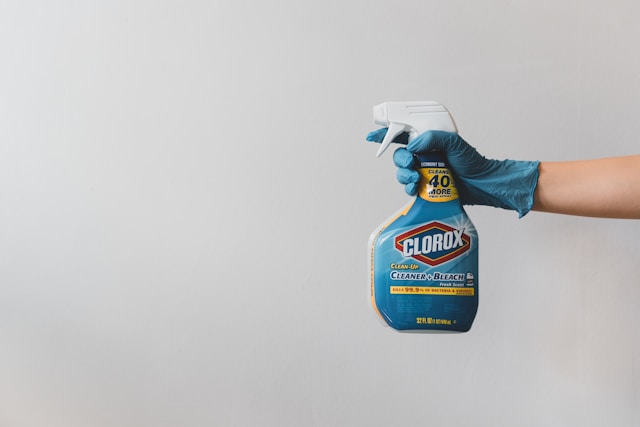
Paints, cleaning supplies, air fresheners and new furniture release volatile organic compounds (VOCs) that create invisible threats to respiratory health. These chemicals evaporate at room temperature and accumulate in enclosed spaces, with one study demonstrating that VOCs in household cleaners can cause respiratory problems and inflammation in people who use them regularly.
Key Signs That A Home’s Air Quality Is Affecting Health
When air quality at home declines, the body sends clear signals. Persistent sneezing, coughing or a runny nose that worsens indoors points to allergen exposure, while irritated, watery eyes and frequent throat irritation suggest airborne irritants.
Additionally, unexplained fatigue and difficulty concentrating often stem from poor sleep when nighttime congestion disrupts rest. Athletes and fitness enthusiasts may notice their performance drop or recovery times stretch out in response to contaminated indoor air.
Actionable Ways To Improve Indoor Air Quality For Allergy Relief
Improving indoor air quality takes several coordinated steps. The following strategies help reduce allergen exposure and create a healthier living environment:
- Humidity control: Maintaining humidity levels can reduce dust mites and prevent mold growth, so experts recommend keeping relative humidity below 50% throughout the home.
- Quality air filtration: High-efficiency particulate air (HEPA) filters trap tiny particles and remove 99.97% of fine particles from the air, significantly reducing allergen concentrations in living spaces.
- Purifier selection: Air purifiers with dual-action capabilities offer the best protection because standard filters either capture particles or remove gases, not both, so selecting appropriate equipment is important for comprehensive air cleaning.
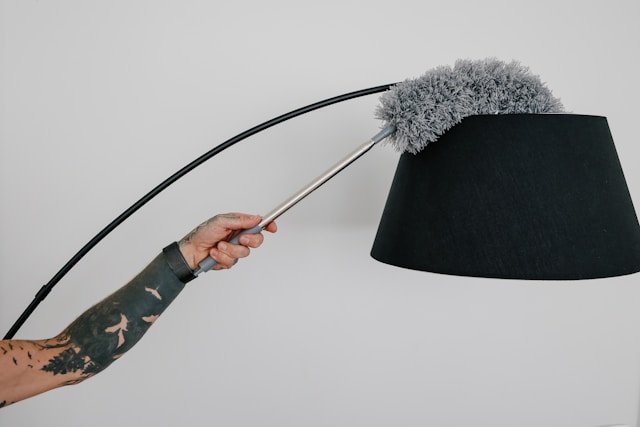
- Regular vacuuming and dusting: Using a vacuum with a HEPA filter and damp cloths for dusting prevents allergens from becoming airborne during cleaning tasks.
- Frequent bedding washing: Hot water washing eliminates dust mites and removes accumulated allergens from sheets, pillowcases and blankets.
The Role Of Houseplants In Purifying A Home’s Air
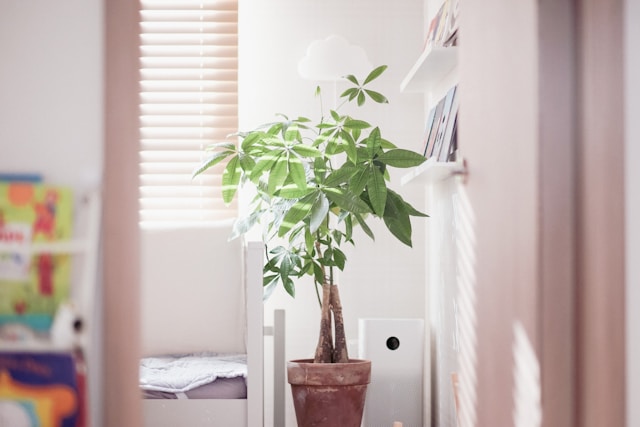
Given that the average American spends 90% of their time indoors, the indoor environment influences health. Houseplants offer a natural approach to enhancing air quality while adding visual appeal to living spaces.
Plants absorb harmful compounds through their leaves and branches, which is significant because concentrations inside typically run five to 10 times higher than outdoor levels. Newly renovated spaces can contain levels almost 100 times higher than outdoor air, making plants especially valuable in these environments.
Individual plants make a small difference, but using several varieties in different rooms creates a more pleasant environment and can gradually improve conditions over time.
Creating A Healthier Home For Better Overall Wellness
Better indoor air quality means better health and performance. Less allergen exposure translates to improved sleep, easier breathing and faster recovery for active individuals. These straightforward steps turn any home into a wellness sanctuary.