
The story of bipolar disorder spans ancient medicine, creativity, genetics, lithium, and modern treatment advances.
Some people believe the term “bipolar disorder” is the best way to identify the brain-based mood disorder characterized by periods of heavy depression, soaring highs of mania or hypomania, dangerous mixed states, and stretches of symptom-free stability. Others prefer its former name, “manic depression,” holding that it better reflects their lived experience.
Regardless of its many current and past names, what we now commonly refer to as bipolar disorder has been with us for as long as we know.
1. The Ancient History of Bipolar Disorder
Bipolar has a long history. And we mean long. The earliest documentation of this mood condition dates to the second century, with the works of the ancient Greek Aretaeus of Cappadocia.
Now known as the “forgotten physician,” Aretaeus identified mania and melancholia (depression), believed they shared a common link, and held that they were two forms of the same condition.
In his accounts of the symptoms, Aretaeus noted excess joy, grandiose thinking, anger, insomnia, heavy sadness, and dark thoughts. In 1686, Swiss physician Théophile Bonet also associated mania with melancholia, referring to it as “manico-melancolicus.”
2. Even Aristotle Linked Moods With Creativity
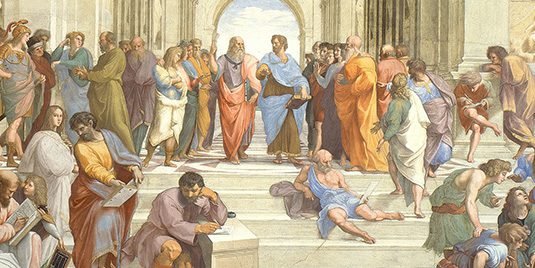
Aristotle, the ancient Greek philosopher who is recognized as the father of the scientific method, psychology, rhetoric, and much else, recognized the connection between creativity and deep emotions or mood states. In the language of his time, this great thinker thanked melancholia for inspiring many poets, artists, and other creative geniuses. The link between bipolar moods and creativity remains a hot topic today.
3. The Hereditary Nature of Bipolar Was Recognized in the Mid-1800s
Bipolar disorder was established as a diagnosable illness thanks to the work of French psychiatrist Jean-Pierre Falret. In the early 1850s, Falret identified folie circulaire or “circular insanity” — manic and depressive episodes separated by symptom-free periods of mood stability — and he distinguished simple depression from elevated mood states.
Because of his work, in 1875, “manic-depressive psychosis” was accepted as a psychiatric disorder. Falret is also credited with recognizing the genetic link associated with this condition and with advocating for various treatment combinations to identify an effective treatment plan.
4. Some Treatments Used Today Can Be Traced to Ancient Times
To treat people who were grappling with agitation or euphoria, the ancient Greeks and Romans used the waters of spas in northern Italy. They believed this water was helpful in treating mania and melancholia because it contained lithium salts that, as naturally occurring minerals, were absorbed into the body.
They were right. And, in 1949, Australian physician John Cade introduced lithium to psychiatry. It continues to be used and studied extensively to this day.
5. Bipolar Disorder Was Recognized as Its Own Primary Illness Over 100 Years Ago
German psychiatrist Emil Kraepelin — sometimes referred to as the founder of modern psychiatry and psychopharmacology — distinguished bipolar (“manic depression”) from schizophrenia (“dementia praecox”) in the early 1900s.
Recognizing that it is more useful to identify patterns of symptoms rather than simple similarities in major symptoms, Kraepelin influenced how we identify and classify mental health diagnoses. He coined long-lasting terms for some conditions and reshaped our understanding of mental health as connected to the human brain and biology.
6. Psychiatry Has Come a Long Way
There’s no arguing that we still have a long way to go when it comes to treating and understanding brain-based health conditions like bipolar disorder. Stigma, research funding, and human-rights issues are challenges many still grapple with today. However, there’s also no denying that we’ve made substantial gains in how we, as a society, recognize and treat mental health conditions.
In 300–500 CE, people living with bipolar were subjected to horrific abuse and sometimes even death, under the guise of so-called medical care. And, in the Middle Ages, mental health struggles were moralized, believed to be evidence of wrongdoing or a manifestation of a person’s poor choices.
7. Cutting-Edge Bipolar Treatments Are on the Horizon
The treatment triad for bipolar disorder, with its three pillars of medication, talk therapy, and self-care, continues to gain support from supplementary and complementary treatment options, such as e-interventions, genetic analysis, hormone therapy, nutraceuticals, and both person-centered and personalized medicine.
While there may not yet be a cure for bipolar, efforts are ongoing to detect and, hopefully, prevent the onset of bipolar disorder and other brain-based health conditions.
UPDATED: Originally posted on December 9, 2021