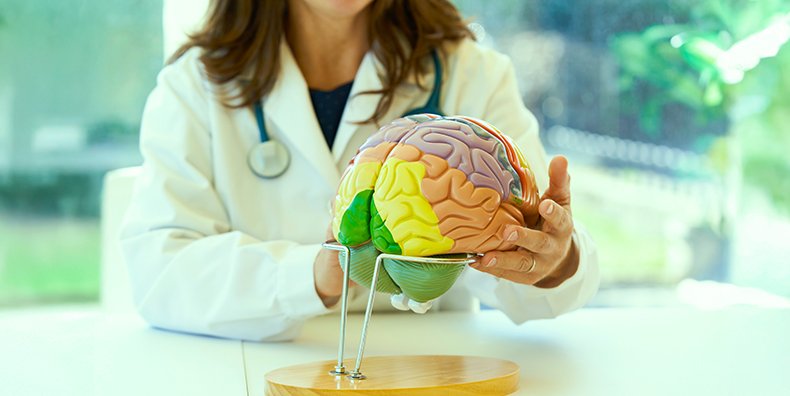

Bipolar impulsivity is brain-based, not a lack of willpower. Learn why urges happen and how support can help.
Key Takeaways
- Impulsivity in bipolar disorder is a brain-based symptom, not a personal failure or lack of willpower.
- During mania, hypomania, or depression, mood changes can intensify impulsive urges by affecting judgment, inhibition, and emotional regulation.
- Even during stable periods, impulse-control challenges can arise, making it helpful to track urges alongside mood as potential early warning signs.
- With treatment, therapy, and practical strategies, impulse control can improve over time.
________________________
Impulsivity can be one of the more frustrating and misunderstood parts of living with bipolar disorder. It can show up as a split-second decision, an urge that feels hard to interrupt, or a behavior that brings relief in the moment but regret later.
Researchers are still working to understand exactly what drives impulsivity and challenges in impulse control in the brain. One review explains that impulse control disorders happen when a person has difficulty resisting urges that may harm themselves or others.
Before acting on an impulse, someone may feel tension, anxiety, or pressure building. Afterward, they may feel relief, satisfaction, or a temporary sense of release — even when the behavior causes problems later.
Impulse control challenges can begin in childhood and continue into adulthood, Cleveland Clinic notes. They may include behaviors such as:
- Arguing and fighting
- Angry outbursts
- Defiance and disobedience
- Breaking rules or laws
- Destroying property
- Stealing
Research also links impulsivity in bipolar disorder with more difficulties in daily life, longer illness duration, and a higher risk of self-harm and suicide-related behavior.
What Causes Impulsivity in Bipolar Disorder?
Impulsivity is a common feature of bipolar disorder, and researchers describe it as a brain-based symptom shaped by how different brain systems handle risk, emotions, and self-control. It’s not intentional. Studies suggest there may be differences in communication between brain regions involved in self-control and emotion, and these differences may be present even when your mood is stable. During mood episodes, reduced inhibition and changes in judgment can make impulsive urges harder to pause, evaluate, or redirect.
How the Brain Controls Impulses and Decision-Making
Like most human behavior, impulsivity involves complex interactions — how we respond to potential rewards, how we weigh risks, and how well we can override emotions with rational reflection, also known as inhibition.
And those factors may not remain static: According to one psychological theory, willpower can fluctuate due to fatigue, diet, environment, and our own beliefs. For people with bipolar disorder, emotional regulation can also shift with mood changes.
Why Impulsivity Changes During Mood Episodes
According to Michael E. Thase, MD, a professor of psychiatry at the University of Pennsylvania and a physician at the Philadelphia VA Medical Center, the baseline ability to resist emotional impulses varies from person to person.
But during depressive and hypomanic (or manic) episodes, that individual’s default setting can go haywire. Changes in mood are associated with changes in brain activity that can reduce the “inhibitory, thoughtful override that could otherwise rein in spontaneous — and possibly dangerous, even life-threatening — decisions,” Dr. Thase explains. “This might involve things that are rewarding or feel good, like sex, or using drugs, or spending money, or gambling.”
In depression, Thase adds, it may be associated with impulsive suicidal behavior.
Brain Regions Linked to Bipolar Impulsivity
Several parts of the brain influence how we make decisions and manage our impulses. One key area is the nucleus accumbens, which plays a key role in how the brain responds to rewards and pleasure. Earlier research has found that people with bipolar disorder showed stronger activation in the nucleus accumbens and related reward areas than people without the condition when playing a roulette-style gambling task designed to test risky choices.
The study also found that people with bipolar had more activity in the ventromedial prefrontal cortex, a region in the front-middle part of the brain that helps weigh risks and rewards. For people without bipolar disorder, this area was more active when they chose safer options, whereas for people living with the condition, it was more active when they picked riskier choices.
Research led by Mary L. Phillips, MD, director of the Mood and Brain Laboratory at the University of Pittsburgh, has shown that activity in the ventrolateral prefrontal cortex, a brain region that helps regulate impulse and reward responses, increases more during reward anticipation in people with bipolar disorder.
Dr. Phillips and her team found that mania greatly increases the excitement people feel when they expect a future reward. This strong feeling can make emotional urges much stronger and make it hard to control impulses.
Notably, research published in Molecular Psychiatry in March 2026 identified the pre-supplementary motor area — a brain region involved in action control and inhibition — as a possible biological marker of impulsive, fun-seeking behavior. Greater activity in this region was linked with a stronger pull toward exciting or pleasurable choices. The findings suggest that, in people with bipolar disorder, this brain activity may reflect an underlying vulnerability to impulsivity that can persist even when impulsive behavior is less visible, such as during depression.
Experts see this discovery as an important step because it may help separate longer-term impulsivity risk from temporary mood-state changes. Over time, findings like these could help guide more targeted treatments, including brain-stimulation approaches, though more research is still needed.
The Brain, Emotions, and Impulsive Behavior
The prefrontal cortex also plays an important role in thinking clearly, planning, remembering information, and regulating emotional responses. According to one review, it helps regulate activity in brain regions that generate emotions, such as the amygdala, and in regions that drive reward-seeking, including the nucleus accumbens.
In bipolar disorder, the prefrontal cortex does not always communicate smoothly with these emotion and reward areas, especially during mood episodes. This weakened connection can make impulsive behavior more likely.
Even though impulsive behaviors can be hard to stop, they are not a personal failure. Talking with your therapist or healthcare provider about therapy or treatment options can help build stronger self-control over time.
Tracking Impulsivity Along With Mood
Impulsivity is a common trait in bipolar disorder and can continue even when someone is in a stable mood phase, known as euthymia. Research, including one review and meta-analysis, shows that people with bipolar disorder report more impulsivity compared with those without the condition, even during these stable times.
Impulsivity can also be an early warning sign. In a study published in the International Journal of Bipolar Disorders, researchers followed people with and without bipolar disorder for several years. Participants tracked their mood and impulsivity each day. People with bipolar reported more impulsivity overall, and higher impulsivity was linked to more negative emotions, such as anger and anxiety, the next day. This means that tracking impulsivity alongside mood could help detect early shifts and enable quicker support.
Brain imaging research adds more insight. Many studies have found that people with bipolar disorder show less activity in brain areas that help control emotions and decisions during quick decision-making tasks. Yet these same areas become more active during emotional tasks.
All of this shows that impulsivity is an important focus for treatment. Instead of viewing it as something you should simply live with, it helps to see it as a treatable part of the condition. It can be managed with strategies, therapy, and, in the future, more targeted brain-based treatments.
Frequently Asked Questions
What Part of the Brain Causes Impulsivity in Bipolar Disorder?
There isn’t one single part. Research points to the prefrontal cortex and connected regions involved in inhibition, emotion, and reward processing.
Why Does Bipolar Disorder Affect Impulse Control?
Bipolar disorder can disrupt brain circuits that help with planning, judgment, and self-control, especially during mania or hypomania.
Is Impulsivity in Bipolar a Brain Disorder?
Impulsivity is not a separate brain disorder; it is a symptom or feature linked to bipolar disorder and changes in brain function.
Is Bipolar Impulsivity the Same as an Impulse Control Disorder?
No — impulsivity in bipolar disorder often occurs during mania or hypomania and ties to mood changes, unlike distinct impulse control disorders (e.g., repeated stealing or aggression) that involve ongoing harmful patterns. Some people experience impulsivity beyond mood episodes.
Editorial Sources and Fact-Checking:
- Dixon MR et al. Impulse-Control Disorders. Functional Analysis in Clinical Treatment (Second Edition). 2020.
- Impulse Control Disorders. Cleveland Clinic. August 7, 2023.
- Zakowicz P et al. Impulsivity as a Risk Factor for Suicide in Bipolar Disorder. Frontiers in Psychiatry. July 23, 2021.
- Chan CC et al. Neural Correlates of Impulsivity in Bipolar Disorder: A Systematic Review and Clinical Implications. Neuroscience and Biobehavioral Reviews. April 2023.
- What You Need to Know About Willpower: The Psychological Science of Self-Control. American Psychological Association (APA). 2012.
- Mason L et al. Decision-Making and Trait Impulsivity in Bipolar Disorder Are Associated With Reduced Prefrontal Regulation of Striatal Reward Valuation. Brain. June 24, 2014.
- Arora M et al. Left Ventrolateral Prefrontal Cortical Activity During Reward Expectancy and Mania Risk. JAMA Psychiatry. January 2, 2025.
- Raeder R et al. Elevated Pre-Supplementary Motor Area Activity During Reward Expectancy: An Impulsivity-Related Neural Marker of Vulnerability to Bipolar and Externalizing Disorders. Molecular Psychiatry. March 19, 2026.
- Kolk SM and Rakic P. Development of Prefrontal Cortex. Neuropsychopharmacology. October 13, 2021.
- Santana RP et al. Impulsivity in Bipolar Disorder: State or Trait? Brain Sciences. October 5, 2022.
- Titone MK et al. The Interplay of Daily Affect and Impulsivity Measured by Mobile Surveys in Bipolar Disorder. International Journal of Bipolar Disorders. October 31, 2022.
- Bipolar Disorder. Mayo Clinic. August 14, 2024.
UPDATED: Printed as: “What’s happening in the brain,” Spring 2017