

Today’s topic may be difficult, but it certainly has wide-reaching personal and societal impacts across the globe. Nearly 1 in 3 ever-partnered women from 15 to 49 years of age have experienced some form of physical or sexual intimate partner violence (IPV). In addition, 1 in every 5 females and 1 in every 7 males alive today will experience some form of sexual abuse before they are 18 years of age (Cagney J. et al, 2025; UNICEF, 2024).
While these findings are shocking, they represent only half the picture. The other half includes the long-term personal, familial, social, and healthcare-related outcomes. Some examples include chronic diseases and mental health disorders (Bordignon E. et al, 2023; Da Thi Tran T. et al, 2022; Hailes H. et al, 2019; Pearson I. et al, 2023; Spencer C. et al, 2023). The impact of these outcomes has been shown to have wide-reaching economic, wellbeing and developmental related consequences (Duvvury N. et al, 2025; Fulu E. et al, 2017; Thielen F. et al, 2016).
So, we’re clearly talking about a significant issue with vast consequences permeating across the world. However, many countries do not possess the resources, legislation, and enforcement mechanisms necessary to address these difficulties (Burke E. et al, 2024; WHO, 2020). The first step in combating this is to update and strengthen prevalence and health burden data for IPV and SVAC (sexual violence against children).
The current study by Flor et al. (2026) notes that the Global Burden of Diseases, Injuries and Risk Factors Study (GBD) has underestimated the health burden of IPV and SVAC. The small number of outcomes previously identified as being associated with such experiences has been cited as the primary reason for this. Due to this, Flor et al. (2026) has attempted to identify and calculate the magnitude of additional health outcomes associated with IPV and SVAC during the 2023 GBD survey.
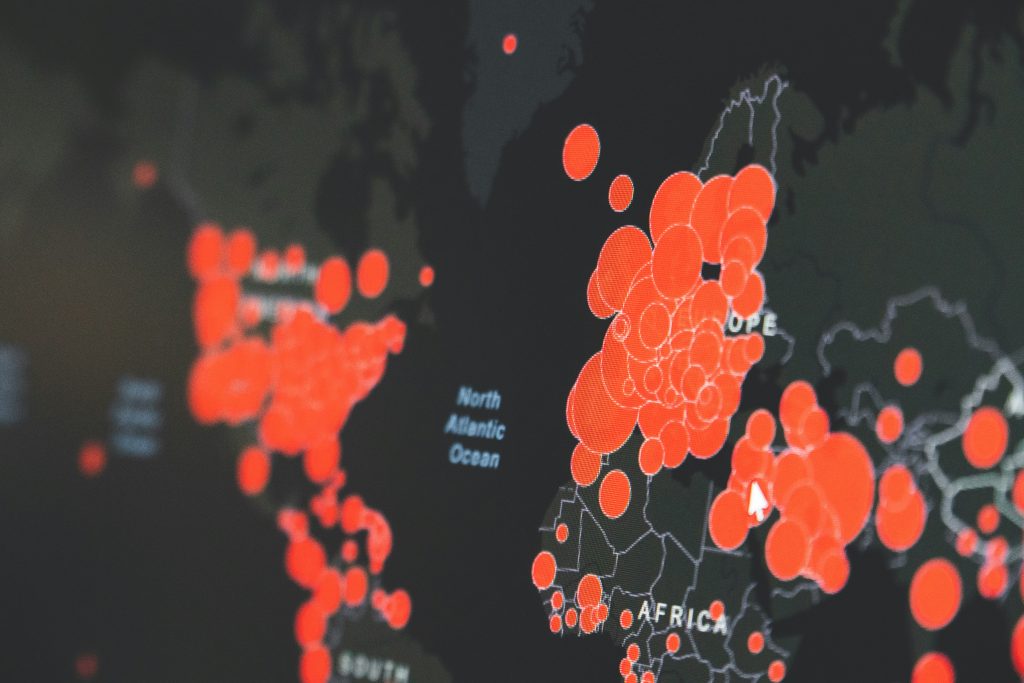
Countries across the globe require accurate and reliable information to inform their approach to reducing abuse and supporting the consequences of abuse.
Methods
This research is a systematic analysis that was completed as part of the GBD 2023. The researchers estimated the health and disease burden that could be attributed to IPV against females and SVAC amongst males and females. This estimation was completed for 204 countries/territories from 1990 to 2023. The following operational definitions were established:
- IPV: females who have experienced one form of physical/sexual violence from a past or present intimate partner since they were 15 years of age.
- SVAC: males and females, 15 years and older, who reported that they experienced unwanted sexual intercourse or contact in their childhood, before they were eighteen years of age.
The researchers searched three global databases, identifying sources from multiple populations, geographies and time points. For IPV, 594 sources were identified that spanned across 169 countries. For SVAC, 460 sources were identified that spanned across 141 countries.
With this data, the researchers completed the spatiotemporal gaussian process to model IPV and SVAC prevalence across time and places. The relative risks of health and disease burdens associated with IPV and SVAC were estimated via a burden-of-proof approach. Prevalences and relative risks were used to inform calculations of population attributable fractions (what proportion of disease burden within the population could be attributed to IPV or SVAC). Finally, the population-attributable fractions were utilised to quantify the disability-adjusted life-years (DALYs: a quantifiable measure of the total amount of health lost in populations (Neufeld, 2022)). These DALYs were used to estimate the total disease burden on an individual caused by IPV and SVAC.
Results
Prevalence
- 608 million females who were 15 years of age and older were estimated to have experienced IPV.
- After standardising age (controlling for age), the sub-Saharan African, southeast Asia, east Asia, and Oceania regions had the highest instances of IPV.
- 1.01 billion males and females who were aged 15 years of age and older were estimated to have experienced SVAC in their childhood.
- After standardising age, sub-Saharan Africa and south Asia had the highest instances of SVAC, followed by the high-income super-region.
Relative risks (the likelihood of experiencing a disease or outcome)
- Three health outcomes were already associated with IPV in the previous GBD; interpersonal violence, homicide and injuries, HIV/AIDs, and major depressive disorder.
- Evidence from the current study demonstrates associations between IPV experiences and five more health outcomes; anxiety disorders, drug use disorders, maternal abortion and miscarriage, maternal haemorrhage, and self-harm.
- Two health outcomes were already associated with SVAC in the previous GBD; alcohol use disorder and major depressive disorder.
- Evidence from the current study demonstrates associations between SVAC experiences and twelve more health outcomes; abortion and miscarriage, anxiety disorders, asthma, bipolar disorder, bulimia nervosa, conduct disorder, drug use disorders, HIV/AIDS, self-harm, sexually transmitted infections (excluding HIV), schizophrenia, and type 2 diabetes.
IPV attributed disease burden
- Amongst females 15 years of age and older, 18.5 million DALYs and 145,000 deaths were attributable to IPV across the world.
- Super region level: DALYs associated with IPV were highest in sub-Saharan Africa (1252·5 per 100,000). The lowest was in central Europe, eastern Europe, and central Asia.
- Anxiety disorders (181·1 per 100,000) and major depressive disorder (132·0 per 100,000) were the highest rates of cause-specific DALYS that could be attributed to IPV across the world. Self-harm was also high, but less globally spread.
- Some cause-specific DALYs varied more by geographical areas; for instance, sub-Saharan Africa saw higher HIV/AIDS, maternal haemorrhage, abortion and miscarriage, and interpersonal violence, homicide and injuries that largely exceed the global rates. Whereas the high-income super region was seen to surpass global rates for IPV-associated drug use disorders.
SVAC attributed disease burden
- Among females and males 15 years of age and older, 32.2 million DALYs and 290,000 deaths were attributable to SVAC across the world.
- Super region level: DALYs associated with SVAC were highest in sub-Saharan Africa. The lowest was in southeast Asia, east Asia, and Oceania.
- Anxiety disorders, self-harm, and major depressive disorders had the highest rates of cause-specific DALYS that could be attributed to SVAC in females across the world.
- Self-harm, schizophrenia, and alcohol use disorders were the highest rates of cause-specific DALYS that could be attributed to SVAC in males across the world.
- There appeared to be a specific influence of gender and culture. One example of many will be provided here: conduct disorder, substance use disorders, and self-harm rates were higher in males than in females in all the super-regions except for south Asia. In south Asia drug use disorders and self-harm were higher in females than in males.

In this global burden of disease study, 608 million females who were 15 years of age and older were estimated to have experienced intimate partner violence.
Conclusions
These findings demonstrate a high prevalence for IPV and SVAC. There also appears to be a high impact on the global burden of disease. Moreover, gender differences and geographical regions appear to demonstrate their own unique patterns and needs.
For me, two thoughts loom. Firstly, how can we help countries and regions to prevent IPV and SVAC? Secondly, how do we ensure that we are providing geographically specific and gender-specific support to those experiencing the health burden caused by IPV and SVAC?

Unique gender and regional differences were found in the prevalence, and impact, of intimate partner violence and sexual violence against children.
Strengths and limitations
Strengths
- This study adhered to the Guidelines for Accurate and Transparent Health Estimates Reporting (GATHER) statement. Transparency was evident regarding where the data came from and what analyses were completed. Such transparency provides opportunity for replication and affords readers the privilege of comparing the results to other findings within the field.
- Research transparency was also evident with the inclusion of databases and search strategies used in the collection of data, detailing of source identification, inclusion/exclusion criteria, and reporting of data analyses. By demonstrating transparency, the researchers have provided opportunities for critical evaluations, validity assessments, and future replications.
- This research addressed several of the methodological limitations of previous GBD studies. For example, Flor et al. (2026) updated the data sources and provided solutions to the challenges posed by different reporting methods across the globe.
- Finally, Flor et al. (2026) reported that no funding source held any role in the design of the study, collection of data, analysis of data, interpretation of data, or report writing. This reduces potential sources for conflicts of interest and the subsequent sources of bias within the scientific process and ultimately strengthens our confidence in the research validity and credibility.
Limitations
- While the clinical implications of these findings are apparent, there is a possibility that the IPV and SVAC prevalence rates were underreported. Factors that could have influenced this are cultural/personal stigma, capabilities of healthcare systems, and potential recall bias from participants recalling incidences of abuse in the past. These two sources of potential bias could have influenced the self-reporting of IPV and SVAC and the consequent validity of IPV and SVAC prevalence outcomes.
- The temporal consistency of disclosures of violence in the period from 1990 to 2023 has also been highlighted as a cause for concern amongst the researchers. Could past definitions and cultural changes have influenced disclosure rates over this time period?
- There were many geographical and time-related gaps in available data to the researchers. Due to this, the researchers were required to rely heavily on modelling techniques to fill these gaps. This has resulted in a significant reliance on the predictive validity of such modelling techniques. Due to this, readers and policymakers must remain critical and cautious when analysing and interpreting the findings of this study.
- The operationalised definitions of IPV and SVAC in this study did not include other forms of abuse, such as coercive control and psychological abuse. These areas may influence the future outcomes associated with IPV and SVAC and the subsequent treatment approaches.

Think about how much the world has changed in the last forty years. Can we really expect that understanding of intimate partner violence and sexual violence against children remained consistent throughout this period?
Implications for practice
These research findings demonstrate the high global prevalence, negative health outcomes, early mortality, and disability that are associated with IPV and SVAC across the lifespan of those affected. This research has also demonstrated additional health outcomes associated with IPV and SVAC that previous GBD studies did not examine or identify.
Importantly, we must consider the differences in the overall disease burden between different regions across the world. While IPV and SVAC are issues across the globe, further scrutiny of the data provides an important reality: each country requires their own individualised policies and approaches to tackling this problem. While providing support to those experiencing the disease burden caused by IPV and SVAC is certainly important, intervening early to support these individuals is crucial to reducing further implications on person, economic and social levels. Furthermore, attempting to reduce the prevalence of IPV and SVAC is, of course, of high importance also.
Going forward, we must acknowledge that there continues to remain significant limitations and gaps in the gathering of global data regarding IPV and SVAC. Due to this, strengthening of data collection quality in local healthcare systems is important for us to gain the true prevalence and consequent impairment. This is also important in informing international, national, and community-level violence-prevention strategies and responses to the health burden. These approaches will require significant funding and robust political commitments. This is made more difficult with the current reality that international funding is being reduced around the world. There is also a need for multi-agency working within local communities when tackling the health burden of IPV and SVAC (i.e. collaboration between healthcare, law enforcement, social services, and other organisations). This would direct IPV and SVAC away from being a solely legal and criminal matter.
Lastly, the structural barriers to care faced by those who have experienced IPV and SVAC must be mitigated. Once achieved, gender-sensitive violence prevention and strategies of support have the potential to improve health outcomes across the world. Flor et al. (2026) also advocate for the integration of prevention measures and further survivor support in wider public health-related initiatives.

The first priority is to reduce the rates of intimate partner violence and sexual violence against children. This review highlights the importance of taking a country-specific approach to this prevention, with local policy, infrastructure and funding required.
Statement of interests
Jack Wainwright has no statement of interests to note.
Editor
Edited by Laura Hemming.
Links
Primary paper
Luisa Flor, Cory Spencer, Jack Cagney… Emmanuela Gakidou and GBD 2023 Intimate Partner Violence and Sexual Violence against Children Collaborators (2026). Disease burden attributable to intimate partner violence against females and sexual violence against children in 204 countries and territories, 1990–2023: a systematic analysis for the Global Burden of Disease Study 2023. The Lancet, 407 (10523), 31-52.
Other references
Bordignon, E., Miranda, V. I. A., de Mola Zanatti, C. L., Menezes, A. M. B., Da Silva, H. D. G., Wehrmeister, F. C., & Murray, J. (2023). Child maltreatment associates with violent victimization in young adulthood: a Brazilian birth cohort study. BMC public health, 23(1), 2287.
Burke, E., Watson, K., Eva, G., Gold, J., Garcia-Moreno, C., & Amin, A. (2024). Is addressing violence against women prioritised in health policies? Findings from a WHO policies database. PLOS global public health, 4(2), e0002504.
Cagney, J., Spencer, C., Flor, L., Herbert, M., Khalil, M., O’Connell, E., … & Gakidou, E. (2025). Prevalence of sexual violence against children and age at first exposure: a global analysis by location, age, and sex (1990–2023). The Lancet, 405(10492), 1817-1836.
Da Thi Tran, T., Murray, L., & Van Vo, T. (2022). Intimate partner violence during pregnancy and maternal and child health outcomes: a scoping review of the literature from low-and-middle income countries from 2016-2021. BMC pregnancy and childbirth, 22(1), 315.
Duvvury, N., Callan, A., Carney, P., & Raghavendra, S. (2013). Intimate partner violence: Economic costs and implications for growth and development.
Fulu, E., Miedema, S., Roselli, T., McCook, S., Chan, K. L., Haardörfer, R., … & Johnson, S. (2017). Pathways between childhood trauma, intimate partner violence, and harsh parenting: findings from the UN Multi-country Study on Men and Violence in Asia and the Pacific. The Lancet Global Health, 5(5), e512-e522.
Hailes, H. P., Yu, R., Danese, A., & Fazel, S. (2019). Long-term outcomes of childhood sexual abuse: an umbrella review. The Lancet Psychiatry, 6(10), 830-839.
Neufeld, S. A. (2022). The burden of young people’s mental health conditions in Europe: No cause for complacency. The Lancet Regional Health–Europe, 16.
Pearson, I., Page, S., Zimmerman, C., Meinck, F., Gennari, F., Guedes, A., & Stoeckl, H. (2023). The co-occurrence of intimate partner violence and violence against children: a systematic review on associated factors in low-and middle-income countries. Trauma, Violence, & Abuse, 24(4), 2097-2114.
Spencer, C. N., Khalil, M., Herbert, M., Aravkin, A. Y., Arrieta, A., Baeza, M. J., … & Gakidou, E. (2023). Health effects associated with exposure to intimate partner violence against women and childhood sexual abuse: a burden of proof study. Nature Medicine, 29(12), 3243-3258.
Thielen, F. W., Ten Have, M., De Graaf, R., Cuijpers, P., Beekman, A., Evers, S., & Smit, F. (2016). Long-term economic consequences of child maltreatment: a population-based study. European child & adolescent psychiatry, 25(12), 1297-1305.
UNICEF. When numbers demand action: confronting the global scale of sexual violence against children. New York: UNICEF, 2024.
World Health Organization. (2019). INSPIRE handbook: Action for implementing the seven strategies for ending violence against children. World Health Organization.