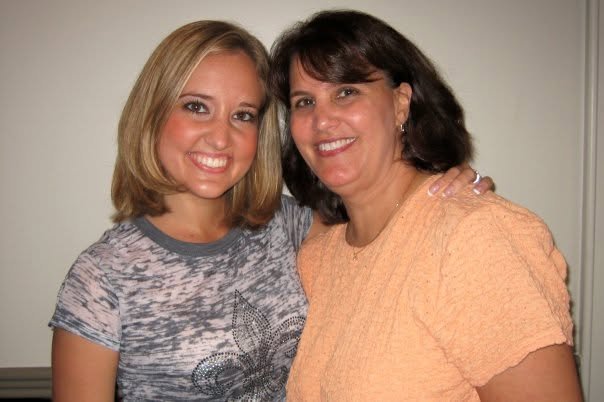


Eighteen years ago, when I was 24 years old, I gave myself my very first Humira injections following a hospitalization for an abscess the size of a tennis ball in my small intestine. The loading dose involved four painful injections, in my GI office. While much of my patient journey tends to be a blur, the day I started Humira is crystal clear in my memory. I remember how I was sitting, what it felt like, the emotions, the tears, the worry about starting a biologic medication, and the desperation to be well.
At the time, I wasn’t thinking about anniversaries or milestones. I wasn’t wondering if I’d still be taking this medication nearly two decades later. I was simply hoping it would work. This week on Lights, Camera, Crohn’s I reflect on what I’ve learned and what I wish I knew all those years ago.
Would life ever be the same?
When you live with Crohn’s disease or ulcerative colitis, hope can sometimes feel like the most powerful prescription of all.
Back then, my disease had already taken so much from me. I had endured three years of on and off flares, hospitalizations, procedures, uncertainty, and the emotional weight that comes with wondering if you’ll ever feel like yourself again. I went from being a perfectly healthy person to being diagnosed with Crohn’s at age 21, put on 22 pills a day, and not knowing what the future would hold.
Humira didn’t cure my Crohn’s disease. There is still no cure, of course. But it gave me something I desperately needed: stability. Over the past 18 years, this injection has quietly stood beside me through nearly every major chapter of my adult life.
It helped me continue my career as a television journalist and keep my IBD private from the public, thanks to the medication being a self-injection. It was there as I found my voice as a patient advocate and launched Lights, Camera, Crohn’s. It was there when I fell in love, got married, and became a mom to three children. It’s been there through pregnancies, postpartum life, sleepless nights, school drop-offs, family vacations, soccer/baseball/basketball games, dance recitals, and countless ordinary moments that aren’t ordinary when you’re living with a chronic illness.
Because chronic illness has a way of making the ordinary feel extraordinary.

Not all sunshine and rainbows
There have certainly been bumps along the way. People are often surprised to hear that I still had multiple bowel obstructions and hospitalizations prior to my bowel resection surgery in 2015, despite being on Humira. More recently, I experienced firsthand how disruptive a forced switch to a biosimilar in 2024 was before successfully appealing to return to Humira. And like anyone living with inflammatory bowel disease, I still have difficult days, anxious moments, unexpected symptoms, and reminders that remission doesn’t always mean life is symptom-free.
But through it all, Humira has remained the foundation of my treatment and a crutch in my life. I recognize how fortunate I am to still be on the same therapy all this time.
No two journeys look the same
One of the greatest lessons patient advocacy has taught me is that no two IBD journeys look alike.
I know many people who have cycled through medication after medication searching for relief. Reminder: The medications are failing you; you aren’t failing anything. Others have exhausted every available therapy, no fault of their own. Some are preparing to start clinical trials because approved treatments have stopped working. Many have endured multiple surgeries, ostomies, prolonged hospital stays, or years of uncontrolled inflammation despite doing everything right.
Their stories matter just as much as mine.
When I share that one medication has managed my disease for 18 years, I don’t do so to suggest this is typical or attainable for everyone. I share it because it represents what every person living with IBD deserves: a treatment that allows them to live life fully. When I started Humira 18 years ago, I had no idea if it would help control and manage my Crohn’s.
I never take that for granted. I don’t know if a year from now I’ll still be in the same boat or if this is a medication I will be on for the rest of my life. I’ve gotten to the point where it’s difficult to imagine life without it, which can feel a bit daunting.
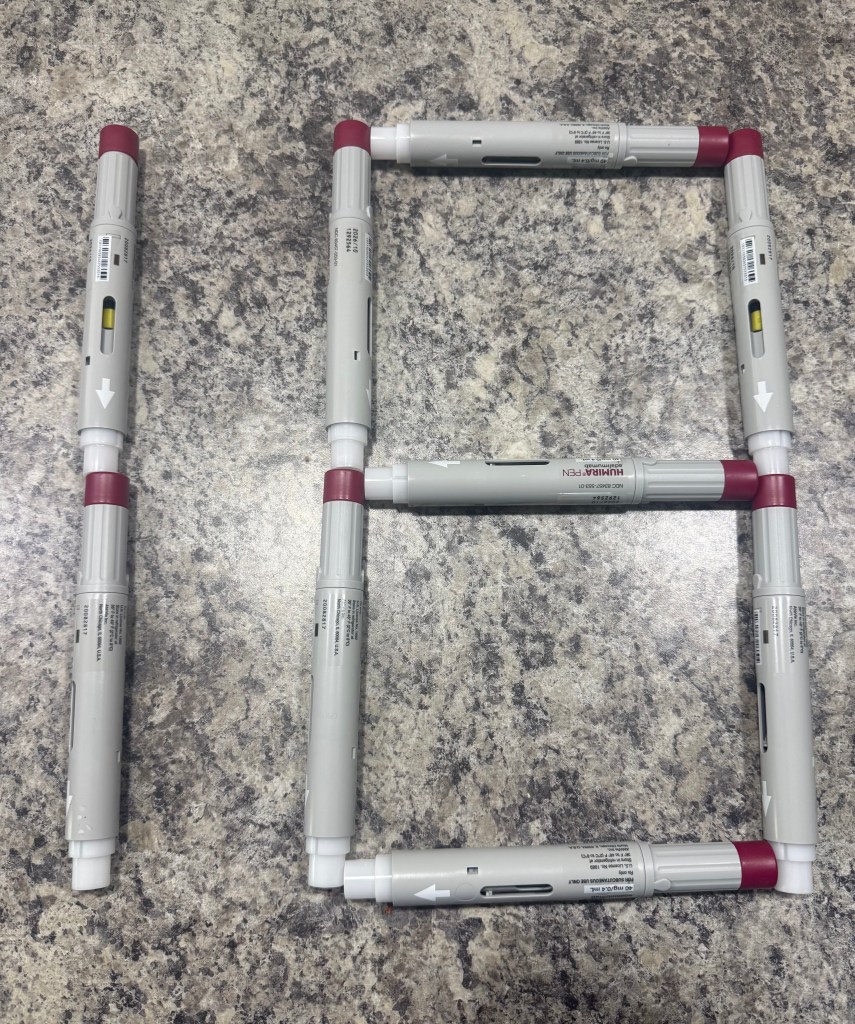
Science changes lives
Every injection is a reminder that science changes lives.
Years ago, biologic medications transformed what was possible for people like me. Back in 2008, there were only two options for IBD patients (Remicade or Humira), now the landscape for treatment options is so vast. Before these therapies existed, many patients faced repeated surgeries, lengthy hospitalizations, and significantly fewer treatment options. Steroids were the go-to. Today, the landscape continues to evolve with new biologics, biosimilars, small molecules, and research that offers hope to the next generation of patients.
I’ve had a front-row seat to that evolution, not only as a patient but as an advocate and journalist interviewing physicians, researchers, and fellow patients around the world. I’ve learned that medicine isn’t just about controlling inflammation.
It’s about allowing someone to chase a career.
To become a parent.
To celebrate birthdays.
To travel.
To make memories.
To simply say yes to life more often than no.
Final thoughts
For me, Humira became more than a medication. It became a bridge between the life Crohn’s disease tried to take away and the life I was determined to build.
If you’re reading this and your current treatment isn’t working, please don’t lose hope.
I’ve met far too many people who found the right therapy after believing they’d run out of options. Research continues to move forward. New medications continue to emerge. Physicians are learning more every year about how to personalize treatment and truly target our disease. Your next chapter may look very different from the one you’re living in today.
And if you’ve found a treatment that works, whether it’s been six months, six years, or eighteen years, I hope you pause to appreciate what an incredible gift that is. Not because the journey is easy. But feeling well enough to live your life and discover a new normal is something worth celebrating.
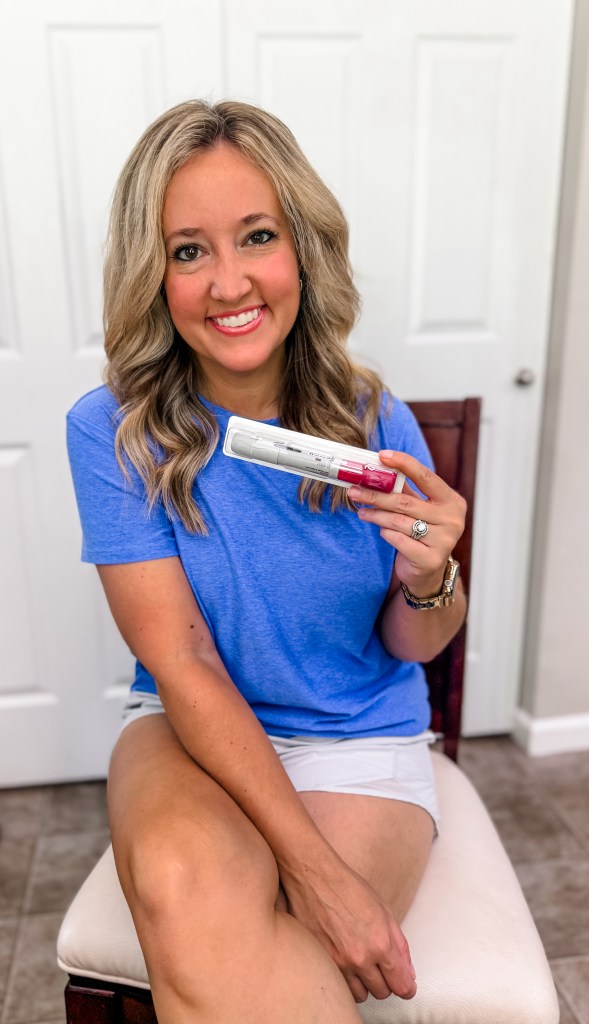
Today, I’m incredibly grateful.
Grateful to the physicians who believed in biologic therapy long before it became commonplace. Grateful to researchers who dedicate their careers to continuing to advance IBD care. Grateful to my family for standing beside me through every injection and every flare. And grateful for a medication that has helped me experience so many beautiful moments I once feared Crohn’s disease would steal.
Eighteen years later, I’m still here. Still advocating. Still telling stories. Still raising my family. Still chasing dreams. Still injecting every other week.
And I am still profoundly thankful that this self-injection that I’ve given myself 480 times, has helped me live a life that has been so much bigger than my diagnosis.