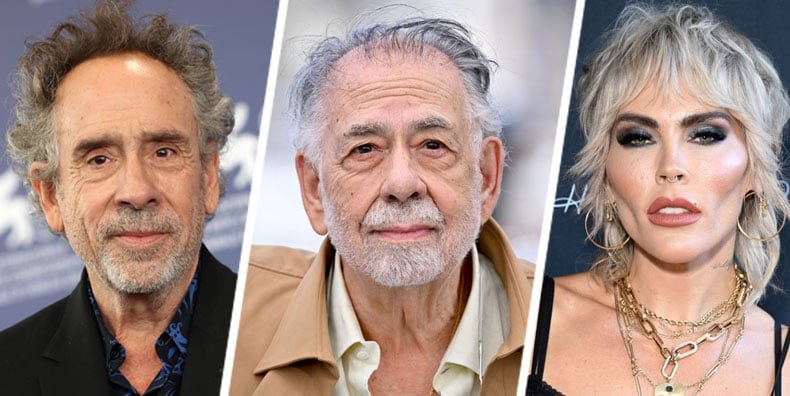

These filmmakers have spoken openly about bipolar disorder or major depressive disorder, stigma, and the role creativity can play.
Key Takeaways
- Some film directors use their creative work — and their public platforms — to speak openly about living with bipolar disorder or major depression.
- Seeing mental health experiences reflected in film can help people feel understood, less alone, and more hopeful.
- Creativity can be a meaningful outlet, but it’s not a substitute for treatment, support, and ongoing mental health care.
As more celebrities, comedians, and musicians speak openly about living with bipolar disorder or major depression, people behind the camera are sharing their stories, too. Some film directors have talked candidly about their own experiences with mood disorders, helping chip away at the stigma that still surrounds mental health conditions.
That kind of openness matters. When public figures speak honestly about what they’ve been through, it can help others feel less alone and make these conditions easier to discuss.
Some directors have also brought mental health struggles to the screen through their characters and stories. For viewers living with bipolar or depression, seeing parts of their own experience reflected back can feel validating, comforting, and deeply human.
Here are eight film directors who have opened up about their own experiences with bipolar disorder or depression.
1. Tim Burton
Tim Burton is known for his dark, imaginative, and offbeat films, including Beetlejuice, Edward Scissorhands, Batman, and Alice in Wonderland. Over the years, Burton has spoken openly about living with depression. He once described filmmaking as a kind of therapy, suggesting that creating movies has helped him work through difficult emotions. While some people have speculated about bipolar disorder, Burton’s own public comments have centered on depression.
2. Francis Ford Coppola
Francis Ford Coppola, the legendary director behind The Godfather films and Apocalypse Now, has also been linked to mental health struggles. According to the biography Godfather: The Intimate Francis Ford Coppola, he was diagnosed in the late 1970s as having “manic-depressive tendencies” and was prescribed lithium. Though Coppola has not made this a major part of his public identity, the account has contributed to conversations about bipolar disorder and creativity.
3. Nadine Crocker
Award-winning director, writer, and actor Nadine Crocker has been open about her struggles with depression, trauma, and past suicide attempts. In 2023, she released Desperation Road, starring Mel Gibson, and later followed it with the deeply personal film Continue, a project shaped by her own mental health journey. Through her work and public openness, Crocker encourages more honest conversations about emotional pain, survival, and hope.
4. David O. Russell
David O. Russell is best known for films such as Silver Linings Playbook, American Hustle, and The Fighter. While he has not publicly said that he lives with bipolar disorder himself, he has spoken about his son’s bipolar diagnosis and how it shaped his understanding of mental illness. That personal connection influenced Silver Linings Playbook, a film many viewers found moving for its depiction of love, family, and life with mood symptoms. His perspective has helped bring more visibility to bipolar, even if the experience he discusses is not his own.
5. Lars Von Trier
Danish director Lars von Trier has spoken publicly about living with depression, which has influenced both his life and his work. Known for films such as Breaking the Waves, Dogville, Melancholia, and Nymphomaniac, von Trier often explores emotional suffering, despair, and psychological distress on screen. He has continued making films while dealing with depression, and his openness has helped broaden the conversation about how serious mental health struggles can affect creative people.
6. Paul Dalio
Director and screenwriter Paul Dalio has spoken directly about living with bipolar disorder, and he drew on that experience in his film Touched With Fire, starring Katie Holmes and Luke Kirby. The movie follows two poets who live with bipolar disorder and form a powerful connection through their shared struggles. Inspired in part by the work of Kay Redfield Jamison, PhD, the film explores mania, love, creativity, and the realities of treatment. Dalio has said he wanted to challenge stereotypes and create a more compassionate, truthful portrayal of bipolar disorder.
7. Pedro Almodóvar
Academy Award-winning Spanish director Pedro Almodóvar has spoken about living with depression and how it has shaped both his life and his filmmaking. Known for movies such as Talk to Her and Pain and Glory, Almodóvar has described creative work as closely tied to his emotional state. His reflections offer an important reminder that depression can exist alongside talent, ambition, and a long, accomplished career.
8. Paul Schrader
Paul Schrader, the acclaimed screenwriter of Taxi Driver and director of First Reformed, has openly discussed his struggles with severe depression and suicidal ideation. He has shared how these intense emotional experiences have informed the gritty, existential themes of his films. Schrader’s willingness to discuss these serious risks offers a raw and real perspective for others managing similar mental health challenges.
UPDATED: Originally published March 10, 2016